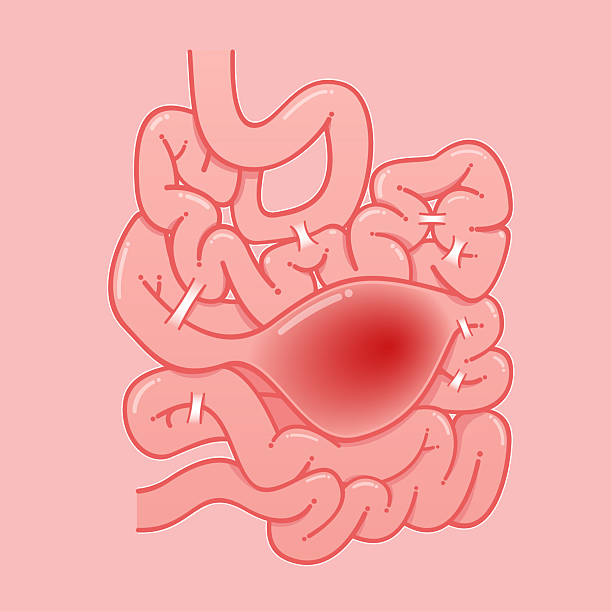

Gastric ischemia occurs when blood flow to the stomach becomes inadequate and is considered uncommon because the stomach has a rich blood supply.
Atherosclerotic narrowing of arteries supplying the digestive tract can contribute to gastric ischemia, particularly when multiple vessels are affected.
Evaluation may involve CT angiography and upper endoscopy, while treatment ranges from supportive medical care to restoring blood flow in selected patients.
Gastric Ischemia Secondary to Atherosclerotic Disease: What You Need to Know
What is gastric ischemia?
Gastric ischemia occurs when the stomach receives insufficient blood flow to meet the tissue’s oxygen needs. It is relatively uncommon because several arteries and an extensive collateral circulation normally supply the stomach.
If blood flow becomes sufficiently reduced, however, the stomach lining can become injured. The resulting condition may also be described as ischemic gastropathy or ischemic gastritis, depending on the clinical context.
How can atherosclerosis cause gastric ischemia?
Atherosclerosis develops when plaque accumulates within artery walls. Over time, this can narrow the arteries and restrict blood flow.
The stomach receives much of its arterial supply through branches associated with the celiac artery. Blood flow can also be supported through connections with other vessels, including circulation associated with the superior mesenteric artery.
Because of these overlapping blood supplies, narrowing of a single vessel may not always produce symptoms. More extensive vascular disease can make ischemic injury more likely.
What are the possible symptoms?
The presentation of gastric ischemia varies according to its cause and severity.
Possible symptoms can include:
* Upper abdominal or epigastric pain * Nausea * Vomiting * Reduced appetite * Pain associated with eating * Gastrointestinal bleeding * Vomiting blood or material resembling coffee grounds * Dark or black stools
These symptoms are not specific to gastric ischemia and can occur with many other gastrointestinal conditions.
Who may be at greater risk?
People with established cardiovascular or peripheral vascular disease may have a greater likelihood of atherosclerotic disease affecting abdominal arteries.
Relevant vascular risk factors can include smoking, diabetes, high blood pressure, abnormal cholesterol levels and known atherosclerotic cardiovascular disease.
Having these risk factors does not mean that a person has gastric ischemia. Diagnosis requires appropriate medical assessment.
How is gastric ischemia diagnosed?
Diagnosis can be challenging because gastric ischemia is uncommon and its symptoms can resemble more common gastrointestinal disorders.
A clinician may use a combination of medical history, physical examination, laboratory tests, imaging and endoscopy.
CT angiography can help identify narrowing or obstruction of arteries supplying the abdominal organs and may reveal findings associated with ischemia.
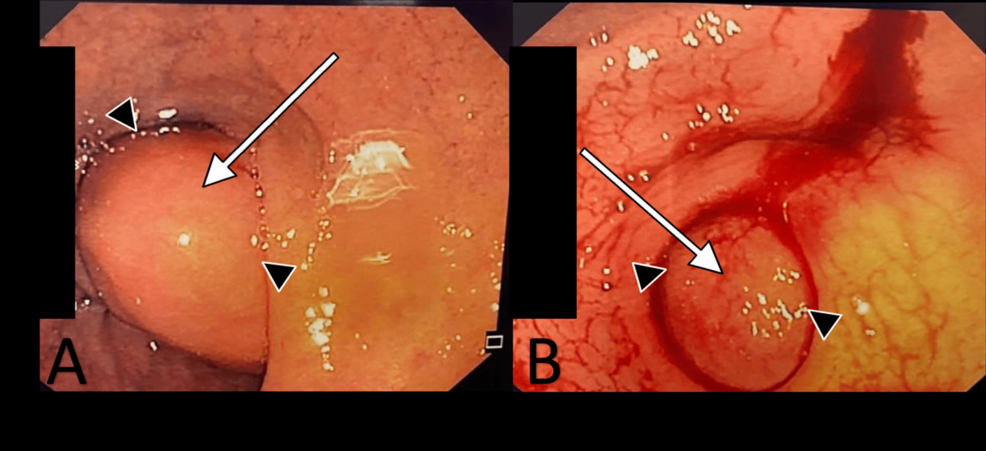
Upper gastrointestinal endoscopy allows clinicians to directly examine the stomach lining for abnormalities such as ulceration, bleeding or ischemic changes.
The appropriate tests depend on the person’s symptoms and clinical condition.
How is gastric ischemia treated?
Treatment depends on the underlying cause, severity of ischemia and the patient’s overall condition.
Supportive treatment may include intravenous fluids, bowel or gastric rest, acid-suppressing medication and treatment of contributing medical conditions. Antibiotics may be used in selected situations.
When severe arterial narrowing is responsible for ongoing ischemia, restoring blood flow may be considered. Endovascular procedures such as angioplasty or stent placement can be used in selected patients. Some situations may require surgical revascularization.
Complications such as perforation, severe persistent bleeding, tissue necrosis or other life-threatening findings can require urgent surgical management.
Treatment decisions should be individualized by the treating medical team.
Why can diagnosis be difficult?
Many conditions can cause abdominal pain, nausea, vomiting or gastric ulcers. Because gastric ischemia is uncommon, more frequent causes are often considered first.
Persistent or unexplained gastric abnormalities in someone with substantial vascular disease can prompt clinicians to investigate whether reduced blood flow is contributing to the problem.
When should you seek urgent medical attention?
Severe or rapidly worsening abdominal pain, vomiting blood, black or tarry stools, fainting, confusion, severe weakness or other signs of significant gastrointestinal bleeding require urgent medical assessment.
Sudden severe abdominal symptoms can have many causes, some of which are medical emergencies. They should not be self-diagnosed based on symptoms alone.
Outlook
The outlook for gastric ischemia varies considerably depending on its cause, severity, how quickly it is recognized and whether blood flow can be restored when necessary.
Early recognition of the underlying vascular problem can help clinicians select appropriate treatment and address potentially serious complications.
The bottom line
Gastric ischemia is an uncommon condition because the stomach normally receives blood through a rich vascular network. Nevertheless, severe atherosclerotic disease can compromise this circulation and cause ischemic injury.
People with concerning gastrointestinal symptoms—particularly gastrointestinal bleeding or severe abdominal pain—should receive medical evaluation rather than attempting to determine the cause themselves.
General guidance, not individual medical advice.
This article provides patient education and does not replace assessment or advice based on your individual condition. For personalized guidance, request a clinical consultation.
Request an appointment →