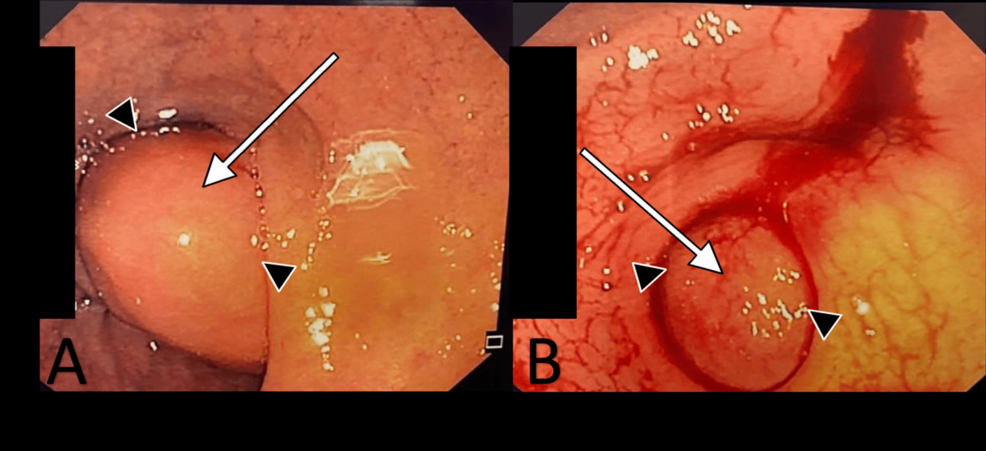

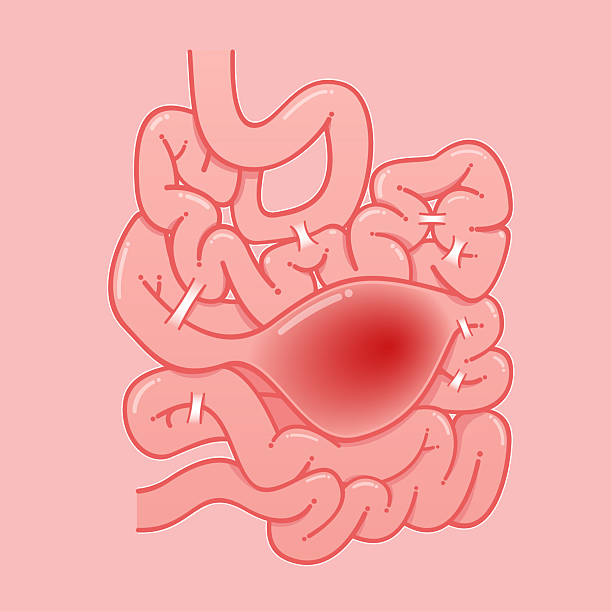
The study analyzed 839 patients with radiologically confirmed intestinal obstruction treated between 1994 and 2023.
Adhesions were the most common cause overall, while intussusception accounted for 48% of obstruction cases in children.
Early diagnosis and timely surgical evaluation were particularly important in cases involving ischemia, malignancy, hernia, or perforation
Epidemiology of Intestinal Obstruction: A Single-Centered Retrospective Study in Lebanon
Background
Intestinal obstruction is a common surgical condition caused by either a mechanical blockage or a functional disturbance that prevents the normal movement of intestinal contents. Patients commonly present with abdominal pain, abdominal distension, vomiting, and constipation.
Intestinal obstruction can lead to significant morbidity and mortality when diagnosis or treatment is delayed. The causes also vary according to geographic location and patient age, making local epidemiological data important for understanding patterns of disease and improving clinical decision-making.
Despite the clinical importance of intestinal obstruction, data describing its causes and outcomes in Lebanon and the wider Middle East remain limited.
Objectives of the Study
This study was conducted at Makassed General Hospital, one of the major hospitals in Lebanon, with four main objectives:
To describe the different causes of intestinal obstruction. To determine how the causes of obstruction vary between age groups. To compare conservative and surgical management and their association with hospital stay. To examine mortality rates and the risk of bowel perforation associated with different causes. Study Methodology
This was a retrospective observational study of patients admitted to Makassed General Hospital with a primary diagnosis of intestinal obstruction between 1994 and 2023.
Medical records were reviewed for demographic information, documented causes of obstruction, imaging findings, treatment approach, and clinical outcomes. Intestinal obstruction was confirmed radiologically using abdominal CT scans or upright abdominal X-rays.
A total of 1,299 potentially relevant cases were initially identified. After excluding 460 cases because of incomplete documentation, diagnostic uncertainty, or other confounding factors, 839 patients were included in the final analysis.
Patients were divided into three age groups:
0–13 years 14–49 years 50 years and older
The study also compared surgical and conservative treatment and evaluated outcomes including hospital stay, mortality, and bowel perforation.
Main Causes of Intestinal Obstruction
The study identified a wide range of causes, including functional disorders, malignant tumors, congenital abnormalities, inflammatory conditions, and benign causes.
Functional Obstruction
Functional obstruction accounted for 9.4% of cases. These patients had ileus related to a medical condition rather than a mechanical surgical obstruction.
The proportion observed in this study was relatively high compared with the rates reported in the studies referenced by the authors.
Malignant Causes Extraluminal Malignancy
Fifty-five patients, representing 6.6% of the study population, had obstruction caused by malignant disease outside the intestinal lumen.
Metastatic deposits were responsible for 49 cases, representing 89.1% of malignant extraluminal cases. Five cases were caused by pancreatic head cancer compressing the duodenum, while one was attributed to retroperitoneal cancer.
Malignant bowel obstruction can occur in patients with advanced cancer and may result from direct tumor involvement, metastatic disease, or external compression.
Intraluminal Malignancy
Twenty-eight patients, or 3.3% of the total study population, had intestinal obstruction caused by malignancies within the intestinal lumen.
The colon was the most common site, accounting for 18 cases (64.3%), followed by the small bowel with 9 cases (32.1%) and the rectum with 1 case (3.6%).
These findings highlight the importance of considering malignancy, particularly colorectal cancer, when evaluating intestinal obstruction in adults.
Congenital Causes
Congenital causes accounted for 7 cases (0.8%) in the study.
Malrotation was the most common congenital cause, affecting 4 patients (57.1%). Two patients had congenital jejunal atresia, while one patient had anal stenosis.
Although congenital causes were uncommon overall, they were particularly relevant in younger patients and demonstrate the broad range of conditions that can produce intestinal obstruction.
Inflammatory Causes
Twenty-four patients had inflammatory causes of intestinal obstruction.
Crohn's disease and mesenteric ischemia each accounted for 41.7% of cases, followed by diverticulitis at 12.5% and necrotizing enterocolitis at 4.2%.
Importantly, all bowel perforations identified within this inflammatory group were associated with mesenteric ischemia and necrotic bowel segments found during surgery.
These findings emphasize the potential severity of mesenteric ischemia and the importance of early recognition and treatment.
Benign Causes Adhesions, Hernias, and Other Extraluminal Causes
Benign extraluminal causes accounted for 410 patients.
Adhesions were the dominant cause, affecting 322 patients (78.5%). Incarcerated hernias accounted for 47 cases (11.5%), while volvulus accounted for 28 cases (6.8%) and internal hernias for 9 cases (2.2%).
Other uncommon causes included mesenteric cysts, uterine masses, trocar-site hernias, and cecal volvulus.
Overall, adhesions were the most important cause of intestinal obstruction in the study population.
Intraluminal and Intramural Causes
Among 236 patients with benign intraluminal causes, constipation and fecaloma were the most common, accounting for 131 cases (55.5%).
Small bowel intussusception was the second most common cause, occurring in 82 patients (34.7%). Phytobezoars accounted for 15 cases (6.4%).
Gallstone ileus, Meckel's diverticulum, bowel hematoma, ileocecal valve lipoma, and other benign tumors were uncommon causes.
Intestinal Obstruction According to Age
The 839 patients were divided into three age groups:
0–13 years: 17.9% 14–49 years: 21.3% 50 years and older: 60.8%
The causes of obstruction differed considerably between these groups.
Among patients aged 50 years and older, adhesions were the leading cause, accounting for 41% of cases, followed by constipation and fecaloma at 16.7%.
Adhesions were also the predominant cause in the 14–49-year-old group, accounting for 53.1%.
In contrast, small bowel intussusception was the leading cause among pediatric patients, accounting for 48% of cases.
Congenital abnormalities such as malrotation and jejunal atresia were also observed among younger patients.
These findings demonstrate why age is an important consideration when evaluating the possible causes of intestinal obstruction.
Surgical Versus Conservative Management
Treatment was divided into surgical and conservative approaches.
Adhesions were the most frequent cause among both surgically and conservatively managed patients. In this study, 131 of the 322 patients with adhesion-related obstruction underwent adhesiolysis.
The decision to operate depends on multiple factors, including imaging findings, the patient's clinical response, associated medical conditions, and the presence or risk of complications such as strangulation, ischemia, or perforation.
Some conditions, including Crohn's disease and diverticulitis, were frequently managed conservatively, whereas congenital abnormalities, hernias, and cases in which intussusception could not be reduced more often required surgery.
Patients who underwent surgery generally had longer hospital stays, reflecting the additional monitoring and recovery required following operative treatment.
Mortality and Bowel Perforation
Among the 839 patients, 33 patients (3.9%) died during hospitalization.
Adhesions were associated with 8 of these deaths, representing 24.2% of all deaths. Seven of these patients had bowel perforation identified during surgery.
Malignant intraluminal tumors accounted for 12.1% of deaths, while malignant extraluminal tumors accounted for 6.1%.
Bowel perforation occurred in 4.4% of the total study population.
Incarcerated hernias were the leading cause of perforation, accounting for 18.9% of all perforation cases. Within the group of patients with incarcerated hernias, 27% developed perforation.
These findings demonstrate the potential severity of intestinal obstruction when bowel blood supply is compromised or when obstruction progresses to perforation.
Why Early Evaluation Matters
Intestinal obstruction can have many different causes, and the appropriate treatment depends on the underlying condition and the patient's clinical status.
Some cases can be managed without surgery, while others require urgent operative intervention. Complications such as bowel ischemia, strangulation, necrosis, and perforation can substantially increase the risk of serious outcomes.
The findings of this study therefore emphasize the importance of early diagnosis, appropriate imaging, close clinical assessment, and timely surgical evaluation when high-risk features are present.
Study Limitations
This study has several limitations.
First, its retrospective design means that the analysis was dependent on the quality and completeness of historical medical records. Of the 1,299 initially identified cases, 460 were excluded because of incomplete documentation, diagnostic uncertainty, or other factors.
Second, the study was conducted at a single tertiary care center, which may limit how broadly the findings can be applied to other hospitals or regions.
There were also changes in diagnostic protocols, surgical decision-making, and medical record documentation over the nearly three-decade study period.
Finally, the study did not include long-term follow-up data, limiting assessment of recurrence, late complications, and survival after hospital discharge.
Conclusion
This retrospective study provides valuable insight into the epidemiology of intestinal obstruction in Lebanon.
Adhesions were the most common overall cause and were particularly prominent among adults. In pediatric patients, intussusception was the leading cause. Malignant, congenital, inflammatory, and other benign causes represented additional important categories.
The study also demonstrated the serious consequences that can occur when obstruction is complicated by ischemia, malignancy, hernia, or perforation.
Early diagnosis and timely surgical evaluation remain essential, particularly in patients with features suggesting complicated obstruction.
Further prospective, multicenter research across Lebanon and the Middle East could provide broader epidemiological data and help guide evidence-based approaches to the diagnosis and management of intestinal obstruction.
General guidance, not individual medical advice.
This article provides patient education and does not replace assessment or advice based on your individual condition. For personalized guidance, request a clinical consultation.
Request an appointment →