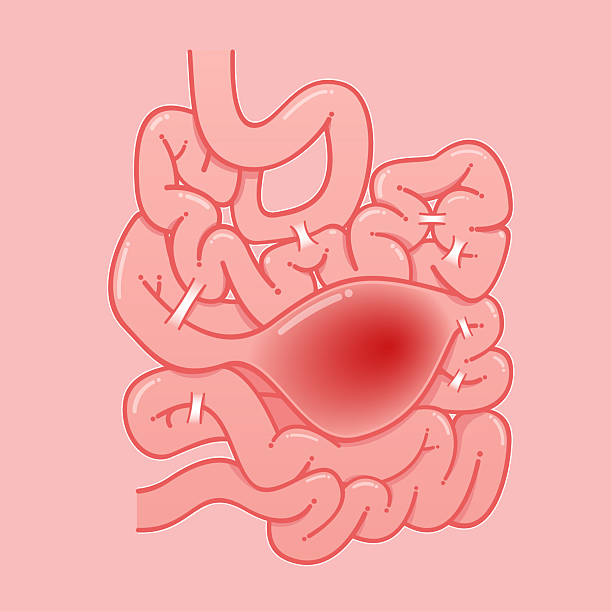

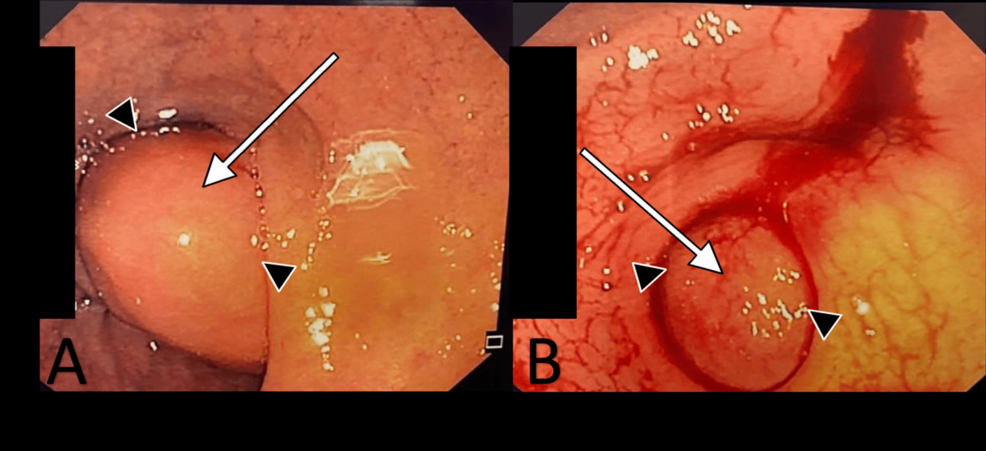
Duodenal lipomas are rare benign tumors that can become symptomatic when they grow large.
A 4–5 cm lipoma caused approximately 75% duodenal obstruction in this case.
Surgical excision successfully resolved the patient's symptoms, anemia, and dietary restriction.
Introduction
Intestinal obstruction is a common surgical condition that results from a mechanical or functional obstruction of the intestines, preventing the normal movement of its contents. Patients may present with abdominal pain, abdominal distension, vomiting, and constipation. If left untreated, intestinal obstruction can lead to significant complications, including bowel ischemia, perforation, and mortality.
Study Objective
This study aimed to describe the different causes of intestinal obstruction in Lebanon, determine how these causes vary between age groups, compare conservative and surgical management, and evaluate mortality and bowel perforation rates.
Methodology
This retrospective observational study reviewed patients admitted with intestinal obstruction at Makassed General Hospital between 1994 and 2023. Patients were evaluated based on demographics, cause of obstruction, imaging findings, treatment approach, and clinical outcomes.
A total of 1,299 cases were initially identified. After excluding 460 cases because of incomplete documentation, diagnostic uncertainty, or confounding factors, 839 patients were included in the final analysis. Intestinal obstruction was confirmed using abdominal CT scans or upright abdominal X-rays.
Results
Among the 839 patients, adhesions were the most common cause of intestinal obstruction, accounting for 38.4% of cases. Intussusception was the predominant cause in children, accounting for 48% of pediatric cases.
Functional obstruction represented 9.4% of cases. Malignant causes included extraluminal malignancies in 6.6% of patients and intraluminal malignancies in 3.3%. Among intraluminal malignant obstructions, the colon was the most common location.
Causes of Intestinal Obstruction
### Functional Obstruction
Functional obstruction accounted for 9.4% of cases in this study. These cases were related to medical conditions rather than a mechanical surgical obstruction.
### Malignant Obstruction
Malignant extraluminal obstruction accounted for 6.6% of cases. Most were caused by metastatic disease, while other cases resulted from pancreatic or retroperitoneal malignancies.
Intraluminal malignant obstruction accounted for 3.3% of cases. The colon was the most frequently affected site, followed by the small bowel and rectum.
### Benign Causes
Adhesions were the leading benign extraluminal cause of intestinal obstruction. Other causes included incarcerated hernias, volvulus, and internal hernias.
Benign intraluminal causes included fecaloma, intussusception, and phytobezoars.
Intestinal Obstruction Across Age Groups
The causes of intestinal obstruction differed substantially between age groups. Adhesions and malignancies were particularly important causes among adults, while congenital and intraluminal causes were more common among children.
Surgical vs. Conservative Management
Surgical intervention was required in 54.7% of patients. Patients who underwent surgery generally had longer hospital stays than those managed conservatively. The choice of treatment depended on the underlying cause, severity, and clinical condition.
Mortality and Complications
The overall mortality rate was 3.9%. Bowel perforation occurred in 4.4% of cases. Mortality and perforation were particularly associated with high-risk causes such as mesenteric ischemia and malignant obstruction.
Conclusion
This study demonstrates that intestinal obstruction in Lebanon has diverse and age-dependent causes. Adhesions were the most common cause overall, while intussusception was particularly important among children. Malignancies also represented an important cause of obstruction, especially among adults.
Early diagnosis and appropriate management are essential to reduce complications and improve outcomes in patients with intestinal obstruction.
General guidance, not individual medical advice.
This article provides patient education and does not replace assessment or advice based on your individual condition. For personalized guidance, request a clinical consultation.
Request an appointment →