How it may be discovered
Diagnosis is usually made through clinical examination, including assessment for an abscess or chronic sinus openings.
Pilonidal disease can cause pain, swelling, drainage or repeated infection near the cleft of the buttocks.
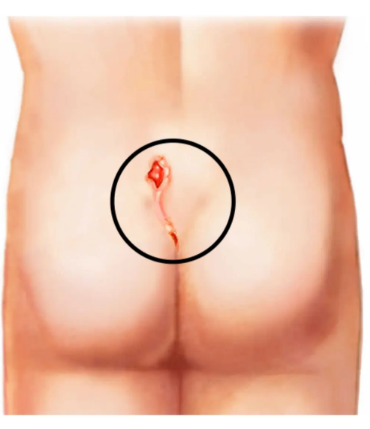
Diagnosis is usually made through clinical examination, including assessment for an abscess or chronic sinus openings.
Treatment is tailored to whether the disease is acute, recurrent or extensive, with attention to healing and recurrence reduction.
Clear answers to common questions about pilonidal sinus.
A pilonidal sinus is a small tunnel or cavity under the skin near the top of the buttocks crease. It can become infected, causing pain, swelling, and drainage.
An acute abscess usually needs drainage first. Recurrent or chronic pilonidal disease generally requires surgical treatment to reduce recurrence.
Recurrence can relate to a persistent sinus tract or to moisture, hair regrowth, and friction affecting wound healing. Treatment is individualized.
Recovery depends on the technique and whether the wound is closed or left to heal open. Specific wound-care and follow-up instructions are provided.
Good hygiene, hair removal, and avoiding prolonged sitting or friction can help reduce recurrence, although some patients remain predisposed.
Depending on the diagnosis, care may involve medical oncology, radiation oncology, gastroenterology, radiology, pathology and other specialties.
Discuss your case →