
How it may be discovered
Assessment may include an abdominal examination, blood tests, ultrasound or CT imaging depending on the presentation.
Appendicitis is a common surgical condition that often begins with abdominal pain and may require urgent treatment.
Assessment may include an abdominal examination, blood tests, ultrasound or CT imaging depending on the presentation.
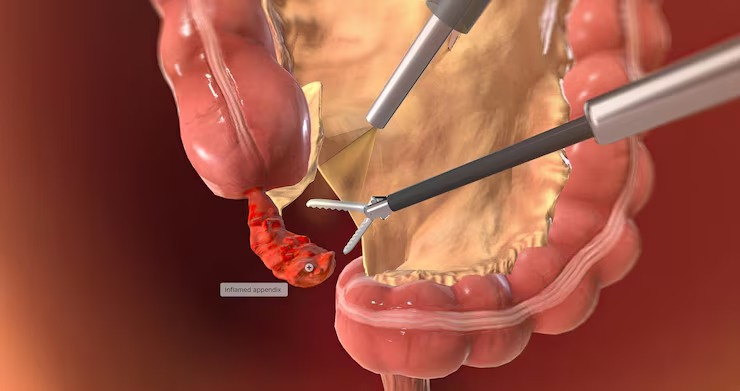
Appendix removal is commonly performed through a minimally invasive approach when clinically appropriate.
Clear answers to common questions about appendicitis & appendectomy.
Classic symptoms include pain that starts around the navel and moves to the lower right abdomen, loss of appetite, nausea, and low-grade fever. Pain often worsens with movement or coughing. Any suspected appendicitis needs prompt medical evaluation.
In most cases, yes. An inflamed appendix can progress to rupture, increasing the risk of infection spreading in the abdomen. Suspected appendicitis should be evaluated urgently.
The standard treatment is laparoscopic appendectomy—keyhole removal of the appendix. In selected cases, appendicitis may initially be managed with antibiotics, but surgery remains the definitive treatment for most patients.
Laparoscopic appendectomy is a common, generally low-risk procedure with a short hospital stay for uncomplicated cases. Recovery is longer if the appendix has ruptured before surgery.
Yes. The appendix has no essential function in adults, and its removal does not affect digestion or long-term health.
Depending on the diagnosis, care may involve medical oncology, radiation oncology, gastroenterology, radiology, pathology and other specialties.
Discuss your case →