How it may be discovered
Assessment begins with history and focused examination; additional testing is recommended only when needed.
Pain, bleeding, swelling or discharge may be caused by several different anorectal conditions and should be accurately diagnosed.
Assessment begins with history and focused examination; additional testing is recommended only when needed.
Treatment may include lifestyle measures, office-based care or surgery depending on diagnosis and severity.
Clear answers to common questions about hemorrhoids, anal fissure & fistula.
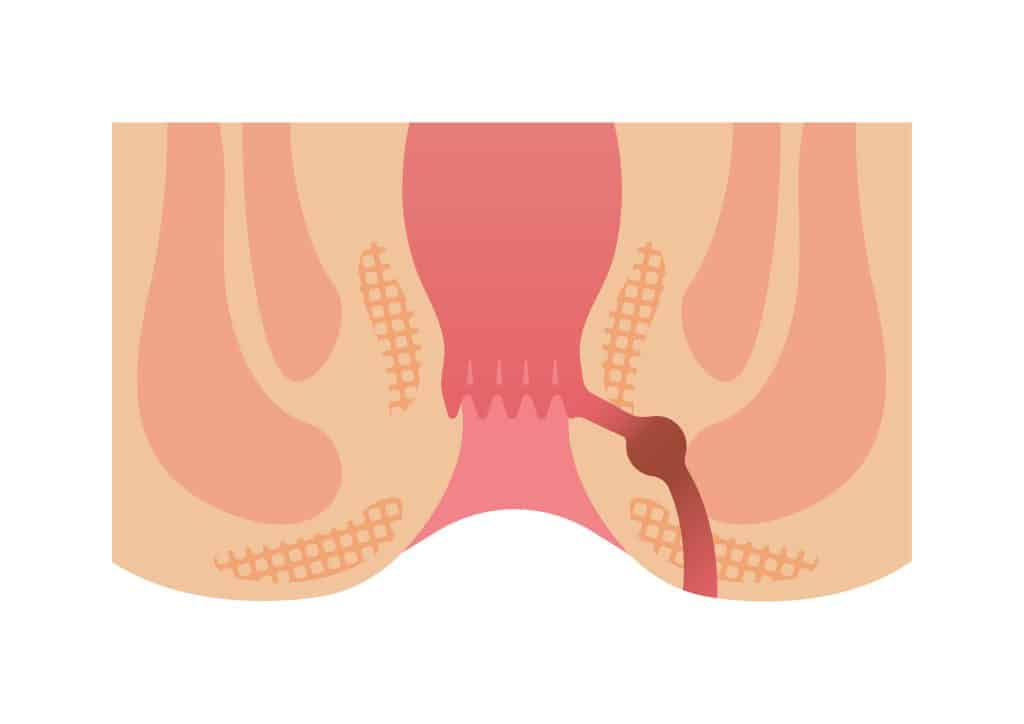
Hemorrhoids are swollen blood vessels. A fissure is a tear in the anal canal lining. A fistula is an abnormal tunnel between the anal canal and skin, usually following infection or an abscess.
Most mild hemorrhoids improve with dietary changes, topical treatment, or office procedures. Surgery is reserved for more severe, recurrent, or prolapsing disease.
Many acute fissures heal with fiber, stool softeners, and topical medication. A chronic fissure that does not heal may need a minor procedure.
Complexity depends on the fistula’s path relative to the anal sphincter muscles. This is carefully assessed, with imaging when needed.
These are common conditions. Evaluation is handled discreetly and professionally, and prompt assessment helps rule out more serious causes of bleeding.
Internal hemorrhoids usually cause painless bleeding. External hemorrhoids can cause pain, itching, swelling, or a lump, especially when thrombosed.
Risk factors include constipation, straining, prolonged sitting, low-fiber diet, pregnancy, obesity, aging, family history, chronic diarrhea, and heavy lifting.
Initial treatment includes fiber, fluids, and avoiding straining. Persistent disease may be treated with rubber-band ligation or, for advanced cases, surgery.
Treatment may include topical care, sitz baths, and dietary changes. A painful thrombosed hemorrhoid may be excised when assessed early or managed conservatively as pain improves.
Surgery is considered for large, prolapsing, recurrent hemorrhoids or disease that has not responded to non-surgical treatment.
Depending on the diagnosis, care may involve medical oncology, radiation oncology, gastroenterology, radiology, pathology and other specialties.
Discuss your case →